

Coat of arms symbols are read as part of a complete heraldic design, not as a universal one-symbol-equals-one-meaning code. Heraldry uses a formal visual vocabulary of tinctures (colors and metals), ordinaries, charges, animal positions, crests, and other elements. Traditional reference works often attach symbolic associations to these elements, but the historical reason a particular symbol appears in a specific coat of arms depends on that armiger, family line, grant, or tradition.
This guide explains the most common heraldic building blocks and the traditional meanings often associated with them, while also showing how to read a coat of arms more accurately.
How to Read Coat of Arms Symbols
1. Start with the shield
Look at the field color or pattern, then identify the main geometric divisions and ordinaries.
2. Identify the charges
Animals, objects, plants, stars, crosses, and other figures placed on the shield are called charges.
3. Check position and posture
Animals and birds can be shown in different attitudes, such as rampant, passant, statant, or displayed.
4. Read the whole design
A symbol's traditional association is only one clue. The documented blazon and history of the arms provide the real context.
Important: coats of arms do not automatically belong to everyone who shares a surname. They are associated with specific armigers and hereditary lines under the rules of the relevant heraldic authority. If you are researching a surname rather than a documented armiger, start with genealogy and heraldic records rather than assuming a matching design belongs to your family.
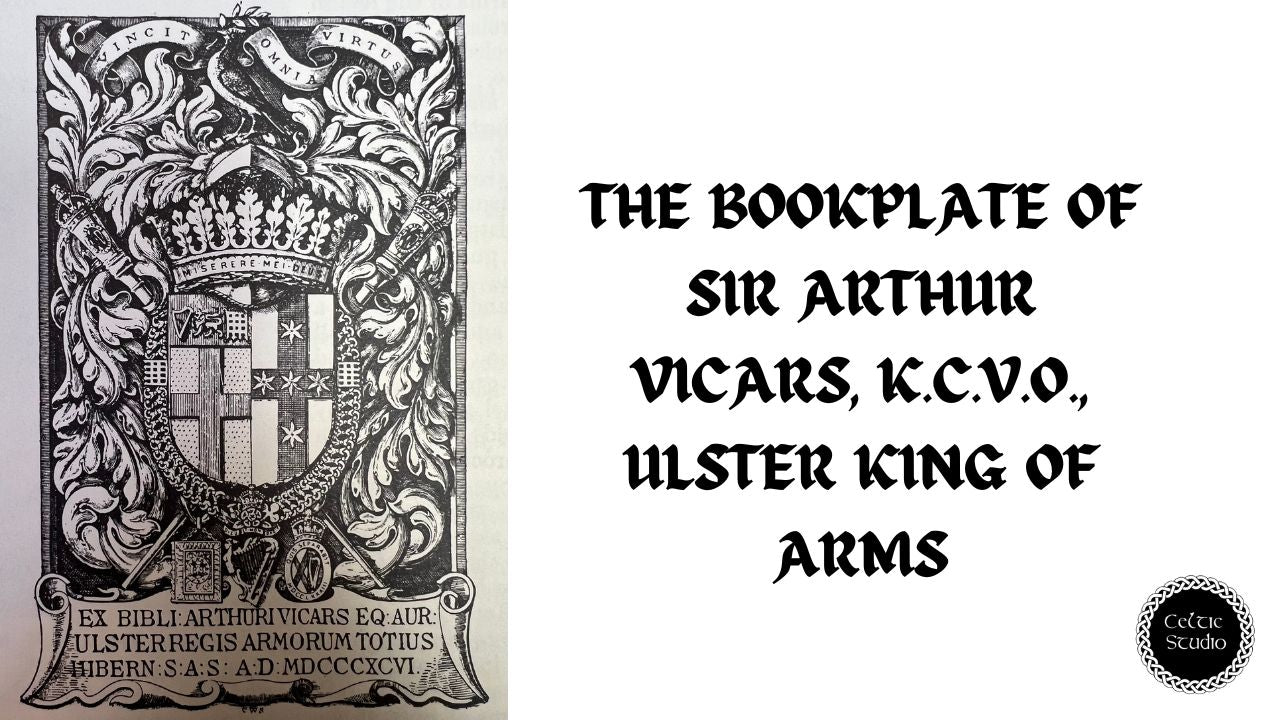
The Language of Heraldry: Colors, Metals, and Furs
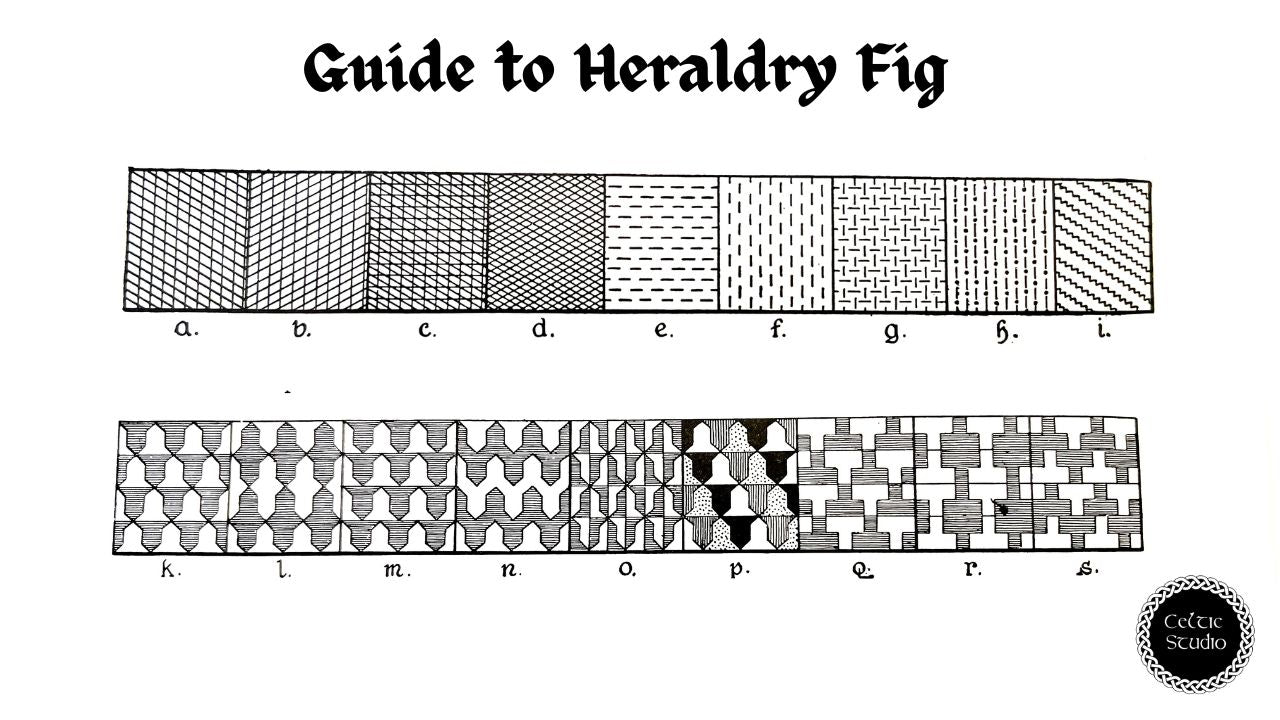
In heraldry, colors and metals are known as tinctures. Traditional heraldic reference works often associate tinctures with virtues or qualities, but these associations should be treated as conventions and later interpretations rather than a guaranteed explanation for why a particular tincture appears in a specific coat of arms.
- Gules (Red): Traditionally associated in heraldic symbolism with courage, military strength, and magnanimity.
- Azure (Blue): Traditionally associated with loyalty, truth, and steadfastness.
- Vert (Green): Traditionally associated with hope, renewal, and connection with the land.
- Sable (Black): Traditionally associated with constancy and, in some symbolic traditions, grief.
- Purpure (Purple): Traditionally associated with dignity, sovereignty, and justice.
- Or (Gold) and Argent (Silver/White): Traditionally associated with generosity and elevation of mind (Or), and peace and sincerity (Argent).
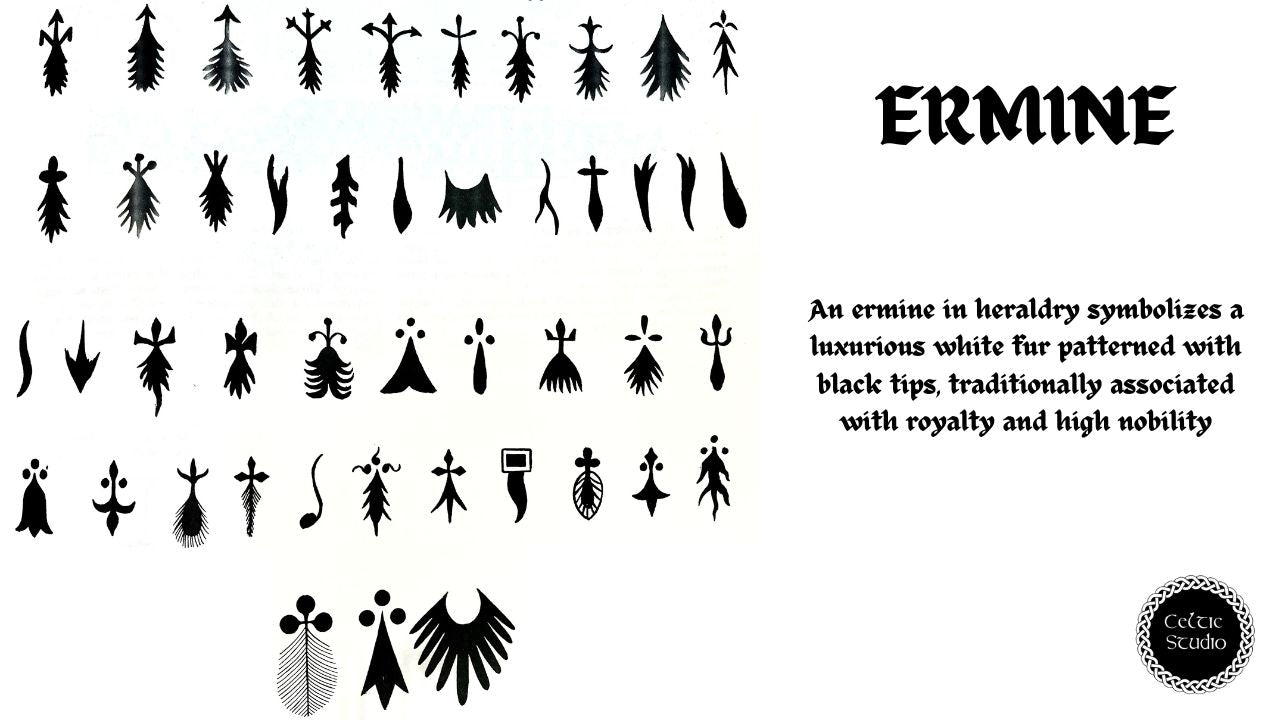
Heraldry also uses traditional furs, most notably ermine and vair. They originated as stylized representations of costly fur linings and became established heraldic patterns in their own right.
-
Ermine: A white field marked with stylized black ermine spots, derived from the winter coat of the stoat. Because ermine fur was historically associated with high-status dress, later symbolic interpretations often connect it with dignity and purity.
-
Vair: A repeating blue-and-white pattern derived from the stylized appearance of squirrel pelts used in medieval fur linings. It is one of the classic heraldic furs.
Heraldic Ordinaries: The Building Blocks

Many coats of arms use broad geometric forms known as ordinaries. These are among the most recognizable structural elements placed on a shield. Common examples include:
-
Fess: This is a broad horizontal stripe situated across the center of the shield. It has often been compared with a military belt or girdle and is one of the classic heraldic ordinaries.
-
Pale: A vertical stripe running down the center of the shield, the pale is one of the standard vertical ordinaries in heraldic design.
-
Bend: A diagonal stripe running from the upper left to the lower right of the shield, the bend is a major diagonal ordinary and one of the most common ways to divide or organize a shield.
-
Chevron: Shaped like an inverted 'V' or the roof of a house, the chevron is a major ordinary whose shape resembles an inverted V.
-
Cross: A simple geometric cross that occupies the shield, the cross has many heraldic forms and is strongly associated with Christian symbolism.
-
Saltire: Known as a 'St. Andrew's cross', this X-shaped cross is especially associated with St. Andrew and Scotland.
-
Chief: A horizontal stripe at the top of the shield, the chief is one of the principal ordinaries and often carries additional charges.
-
Bordure: A border that encloses the edge of the shield, the bordure surrounds the edge of the shield and can also be used as a mark of difference.
-
Pile: A downward-pointing triangle or wedge, the pile is a wedge-shaped heraldic charge or ordinary-like form pointing inward from an edge of the shield.
Common Heraldic Charges
Charges are the figures placed on a shield or on another heraldic element. They can be animals, plants, weapons, stars, crosses, objects, or geometric forms, and they may appear once or be repeated in a pattern. The examples below are common forms readers may encounter when looking at a coat of arms.
- Crosses: With a rich variety in form, crosses are a testament to faith, sacrifice, and service. From the Latin cross to the Maltese cross, each variation carries its own history and connotations.
- Stars: Often used to symbolize excellence, nobility, and divine guidance, stars can be depicted in numerous forms, such as the mullet or the estoile, each differing in the number and arrangement of their points.
- Rings: Symbolizing fidelity, loyalty, and the continuity of legacy, rings are a subtle yet powerful charge, often used to represent the unbreakable bonds of trust and honor.
- Balls (or Spheres): These charges can represent globes, cannonballs, or orbs, each bearing meanings from worldly power and authority to martial prowess and fortitude.
- Crescents: A symbol of hope and new beginnings, the crescent can also denote a second son in heraldic tradition, representing the bearer's aspiration to eclipse the fame of their ancestors.
- Diamonds: Known as lozenges in heraldry, diamonds symbolize honesty, constancy, and the notion of being a "gem" among people, reflecting the bearer's integrity and value.
- Flowers: With each species bearing its own symbolism, flowers like the rose (for love and grace) and the lily (for purity and virtue) add a layer of delicate complexity to the shield.
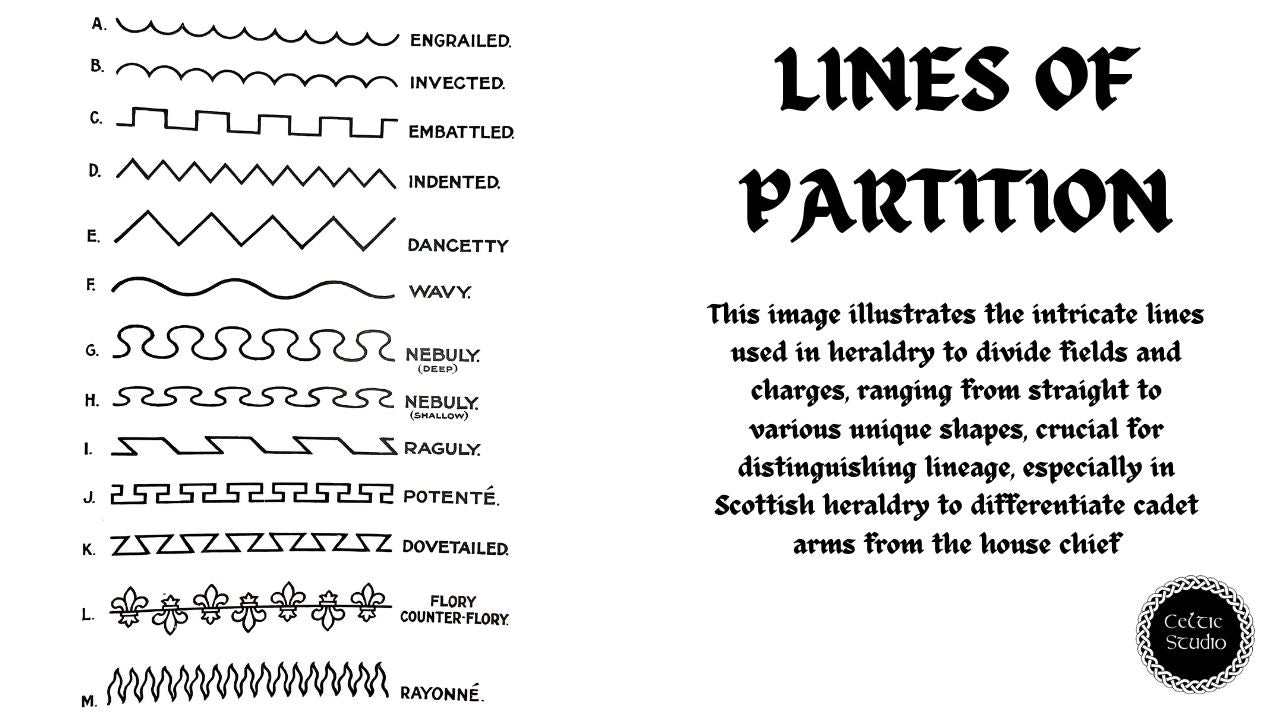
A core heraldic convention is the rule of tincture: as a general rule, a color is not placed directly on another color, and a metal is not placed directly on another metal. The convention helps preserve visual contrast, although historical arms include recognized exceptions and special cases.
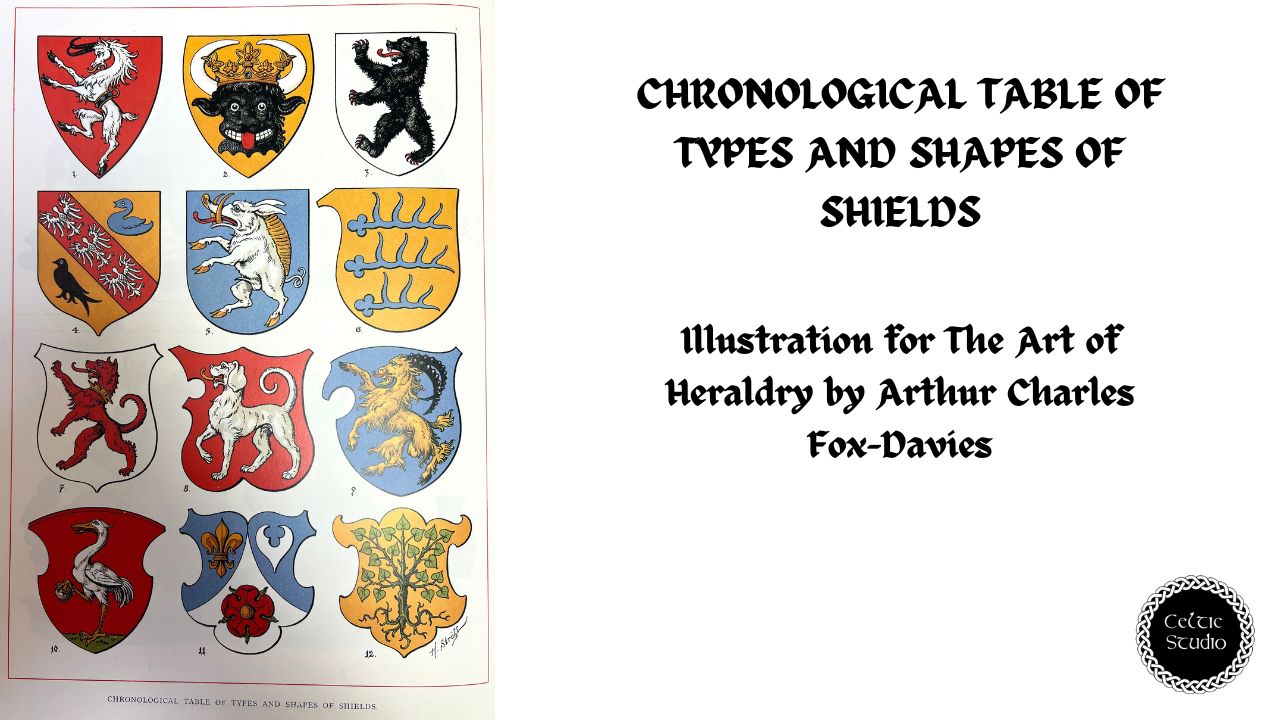
The animal kingdom also provides a rich source of heraldic charges, with knights and nobles often choosing beasts that embody their desired qualities or achievements. Lions for courage, eagles for power, boars for ferocity in battle—each animal brings its own story and symbolism to the coat of arms, offering a glimpse into the bearer's identity and values.
Animal Charges: The Bestiary of Heraldry
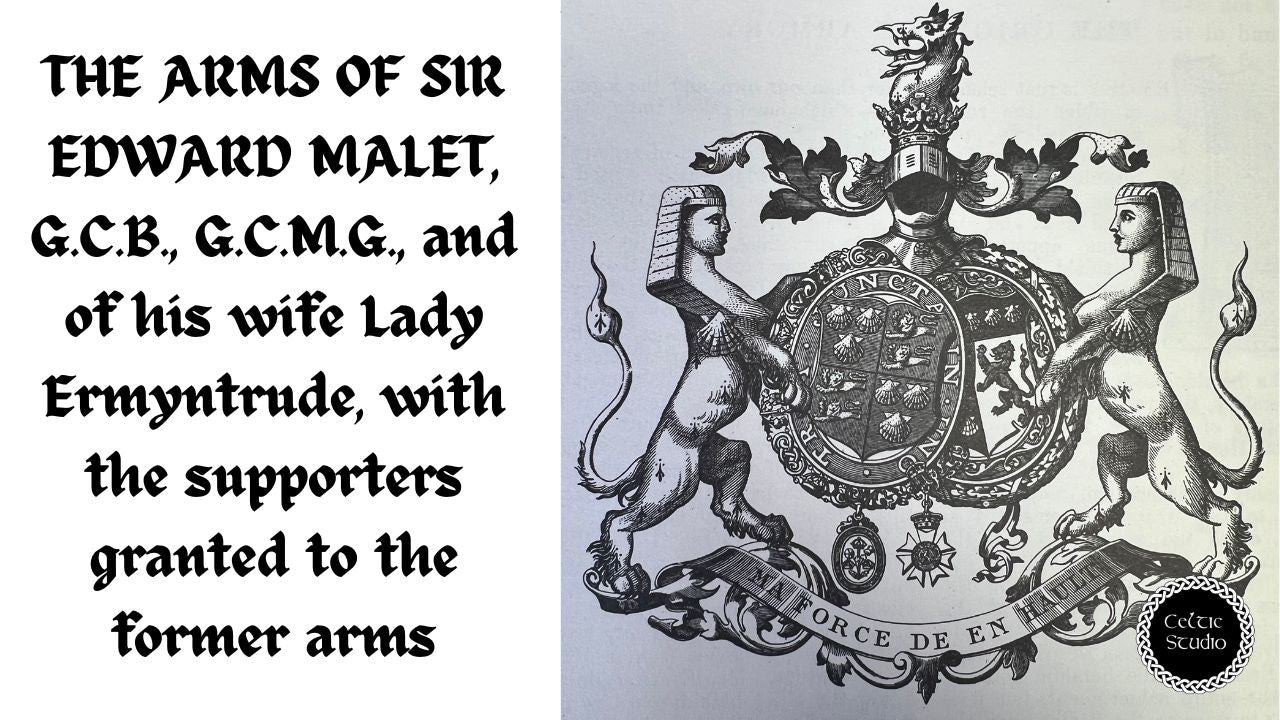
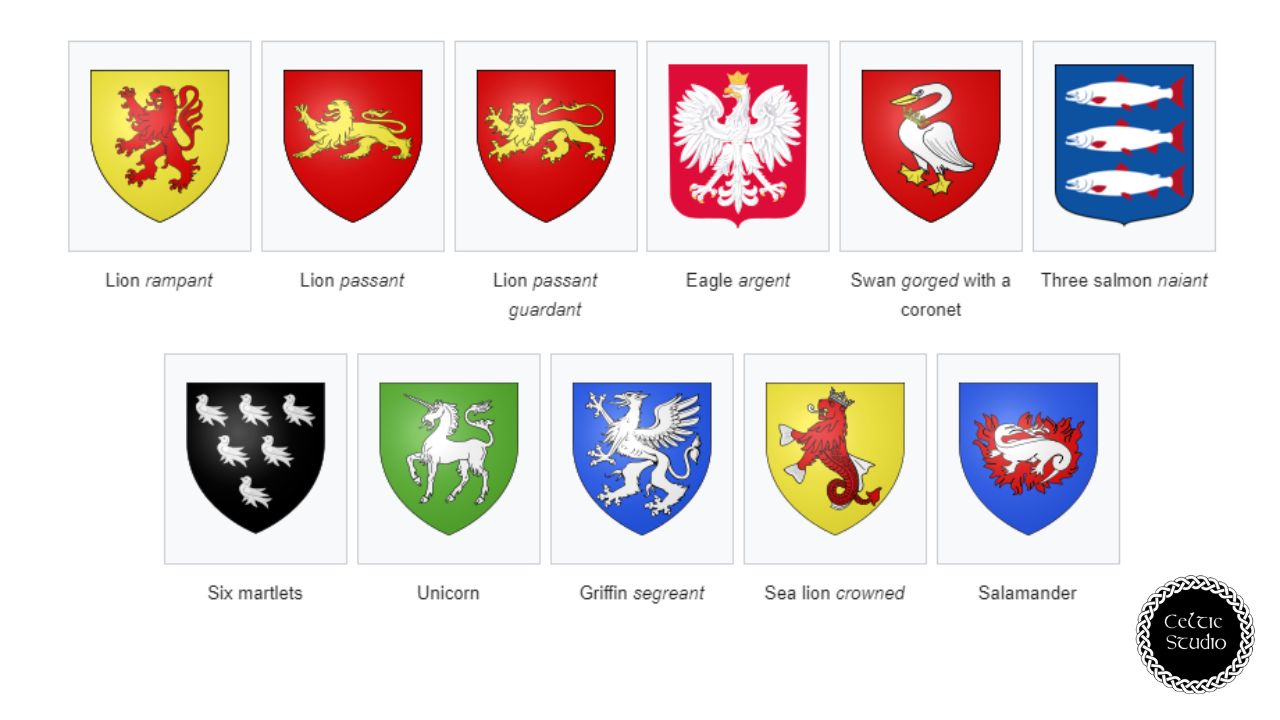
Animals are among the most recognizable heraldic charges. Their attitude, the technical term for posture, is part of the formal description of the arms. While later symbolic traditions often connect particular animals or postures with qualities such as courage, vigilance, or loyalty, the attitude is first and foremost a precise way to describe how the creature appears.
- Rampant: An animal shown upright on one hind leg, with the other limbs raised. Unless otherwise specified, heraldic animals normally face dexter, the bearer’s right (the viewer’s left).
- Statant: An animal shown standing with all four feet on the ground.
- Displayed: Used especially for birds, with the body facing the viewer and the wings spread on both sides.
- Passant: An animal shown walking, normally with the dexter forepaw raised. Passant guardant adds the detail that the head faces the viewer.
Direction and posture are part of the formal blazon. Terms such as guardant, regardant, rampant, passant, and displayed describe the figure precisely and can materially change how the arms are drawn.
Common Animal Charges and Traditional Associations
Reference works often associate heraldic animals with particular virtues or characteristics. These traditional associations can help readers interpret imagery, but they should not be treated as proof of why a particular historical coat of arms contains that animal. The documented blazon, grant, and family history remain more authoritative.
- Lions: Among the most common heraldic beasts. Traditional symbolism often associates lions with courage, strength, and authority.
- Dogs: Dogs and hounds appear in many arms; traditional symbolism often associates them with loyalty and vigilance.
- Stags: Stags and deer are common heraldic animals; later symbolic traditions often connect them with grace, regeneration, or the natural world.
- Eagles: Eagles are major heraldic charges across Europe and are traditionally associated with power, authority, and far-sightedness.
- Hares: Hares are less common charges and are traditionally associated in some references with speed and resourcefulness.
- Badgers: Badgers are less common in heraldry and are traditionally associated in some references with persistence and tenacity.
The Realm of Fabulous Beasts
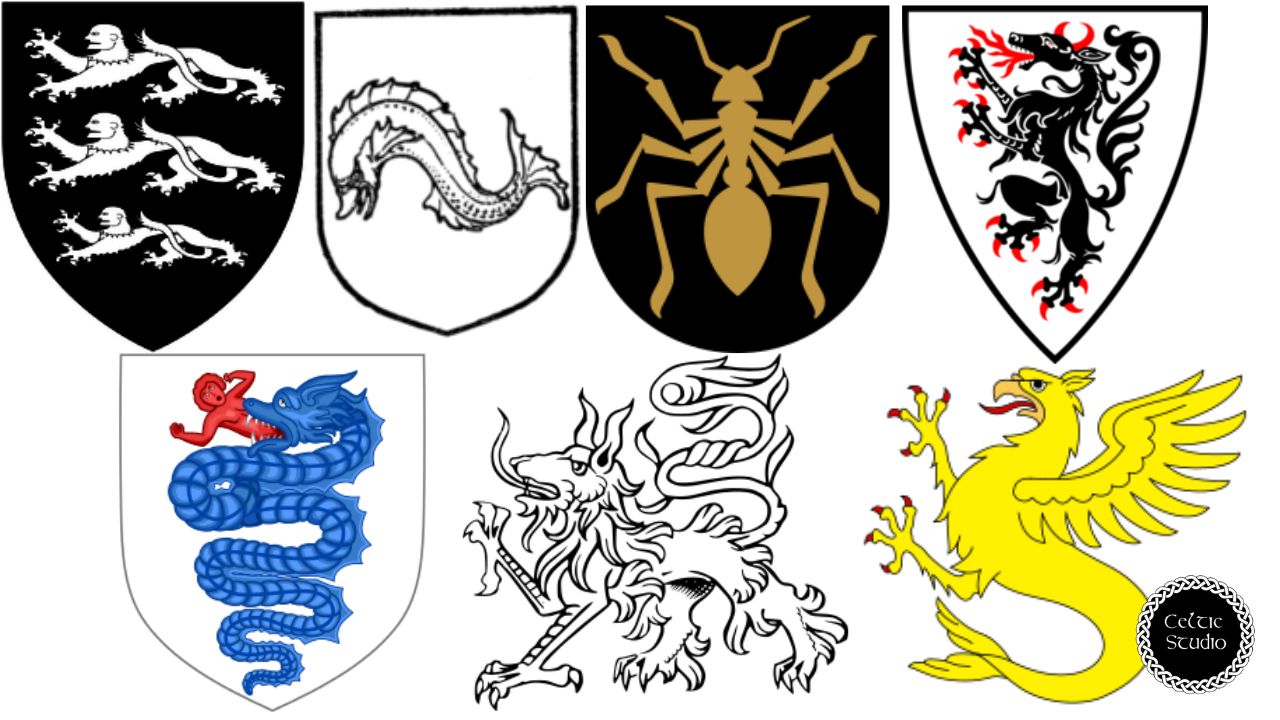
In the realm of heraldry, the line between reality and myth blurs with the inclusion of fabulous beasts, creatures of legend that have adorned shields and banners through the ages. These mythical beings, drawn from folklore, literature, and the accounts of travelers to far-off lands, bring a layer of mystique and fantasy to the art of heraldry. Medieval bestiaries, which are essentially illustrated compendiums of beasts both real and imagined, served as a key source for many of these fantastical symbols, infusing coats of arms with a sense of wonder and otherworldly power.
-
Dragon: The dragon stands as one of the most iconic and enduring symbols in heraldry. Revered for its fearsome beauty and potent symbolism, the dragon has been a badge of warriors and kings across various cultures, from the Romans to the Celts. In heraldry, it embodies the ultimate defender of treasure and realm, symbolizing strength, wisdom, and the fiery protection of all that is held dear.
-
Griffin: A majestic blend of lion and eagle, the griffin combines the king of the beasts with the king of the birds, making it a potent symbol of watchfulness, courage, and strength. The griffin's dual nature represents mastery over both land and sky, a guardian of sacred sites and treasure, and an emblem of divine power and protection.
-
Cockatrice: With the body of a dragon and the head of a rooster, the cockatrice is a creature of legend, reputed to have the power to kill with a single glance. Born from an egg laid by a rooster and incubated by a serpent or toad, according to myth, this beast symbolizes the ability to overcome enemies through sheer terror and is often a sign of protection, warding off evil and danger.
-
Manticore: Perhaps one of the most fearsome creatures of heraldic lore, the manticore is a terrifying blend of a lion's body, a human's face, and a voice that thunders like a trumpet. This Persian legend, known for its man-eating tendencies, symbolizes the ferocity and power of the bearer, a warning to all who might cross the coat of arms' owner.
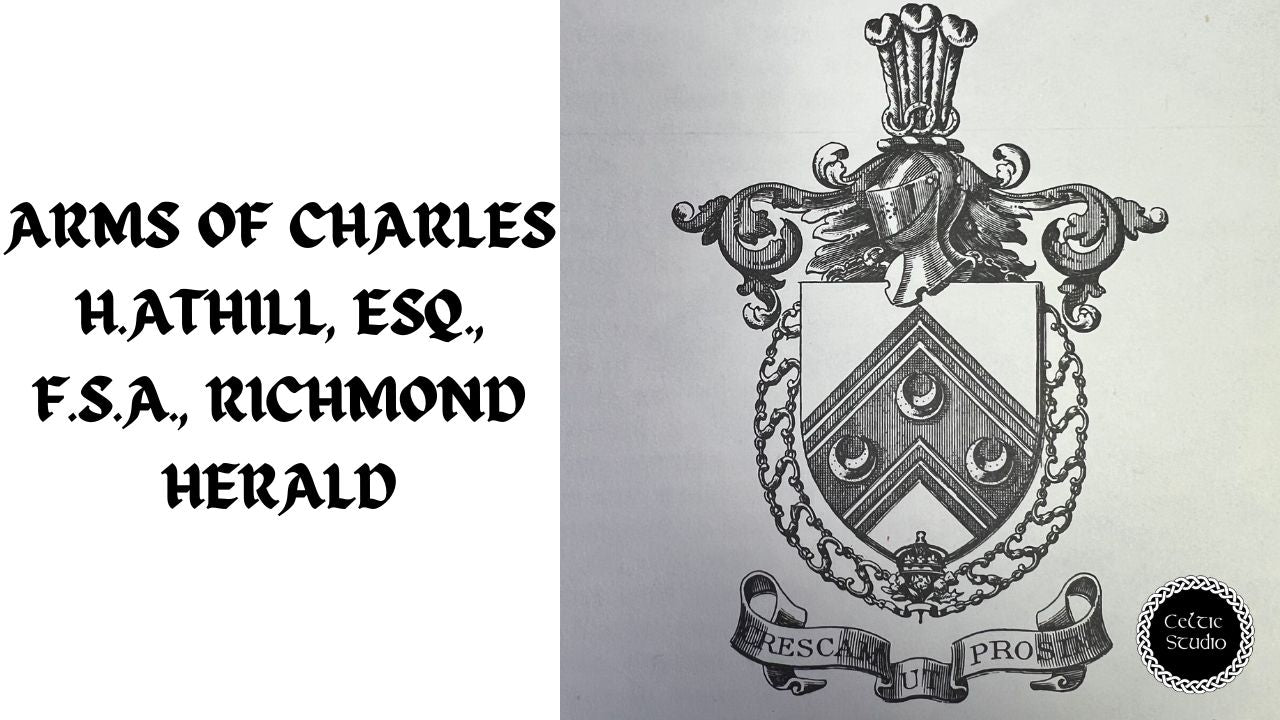
How Coat of Arms Symbols Relate to Family Crests
People often search for “family crest symbols” when they are really looking at elements from a complete coat of arms. In formal heraldry, a crest is only the device above the helmet, while the shield carries the principal arms. The popular phrase family crest is therefore broader and less precise than the technical heraldic meaning.
If you want the distinction explained in detail, read What Is a Family Crest?. That guide focuses on the difference between a crest and a coat of arms, how heraldic rights work, and how Scottish clan crest badges fit into the picture.
Exploring Scottish clan heraldry?
Browse Celtic Studio’s Scottish Clan Names directory and clan crest collections to see the clan and family names currently represented on the site.
Frequently Asked Questions
What is a Coat of Arms?
A coat of arms is a heraldic design associated with a specific armiger or hereditary line under the rules of the relevant heraldic authority. The shield contains the principal arms, while a full heraldic achievement may also include a helmet, crest, mantling, motto, supporters, and other elements.
Can I Create My Own Coat of Arms?
You can create decorative heraldic-style artwork, but an official coat of arms is governed by the heraldic rules of the relevant jurisdiction. Where formal heraldic authorities exist, a new coat of arms may need to be granted or recorded through that authority rather than simply invented and treated as hereditary arms.
What Does the Unicorn in the Royal Arms Represent?
The unicorn is the traditional heraldic supporter associated with Scotland in the Royal Arms. It appears opposite the lion associated with England. In heraldic tradition the unicorn has long been associated with strength, rarity, and purity.
How to Find Your Family Coat of Arms?
Start with documented genealogy, not only with a surname. Identify the family line and place of origin, then consult recognized heraldic registers or the heraldic authority for the relevant jurisdiction. A surname match alone does not establish a right to a particular coat of arms.
Do coat of arms symbols have fixed meanings?
Not in a simple universal sense. Heraldic reference works often give traditional symbolic associations for colors, animals, and objects, but the historical meaning of a symbol in a specific coat of arms depends on the documented design, blazon, grant, and family or institutional history.
I am John Winklebottom and I think this is super awesome family reaction
This is so immensely helpful for designing original crests and arms! Thank you for such an in-depth explanation of both the elements and the symbolism behind the examples.