

Arnott
Arnott











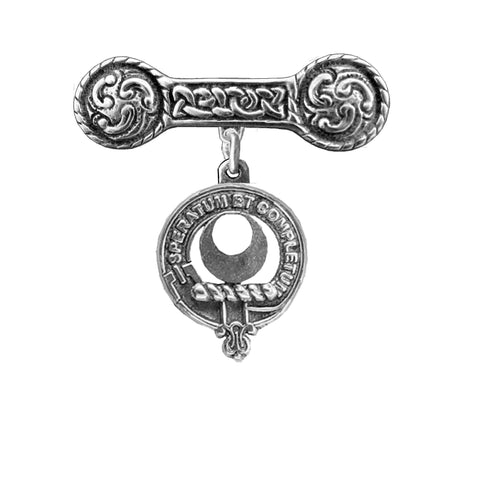


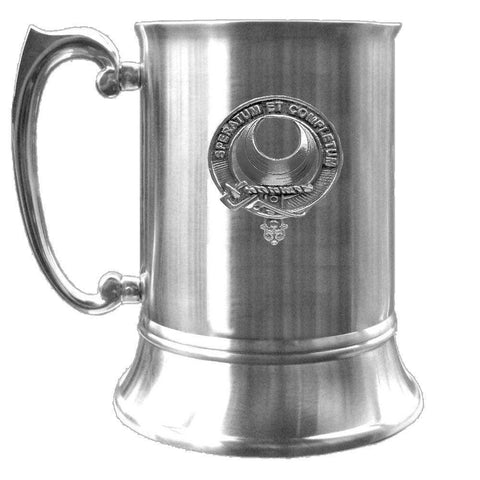

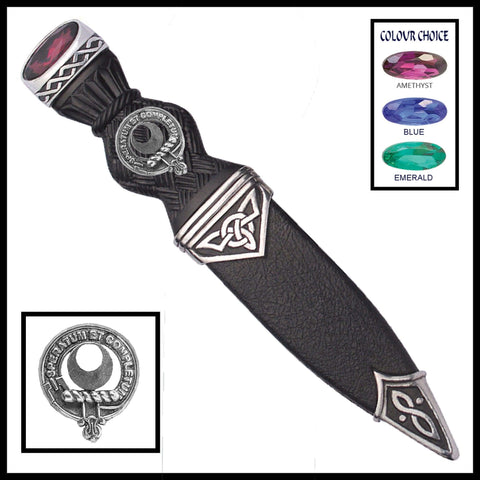


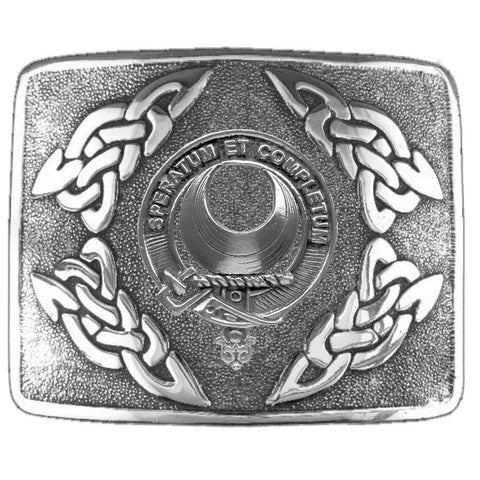
















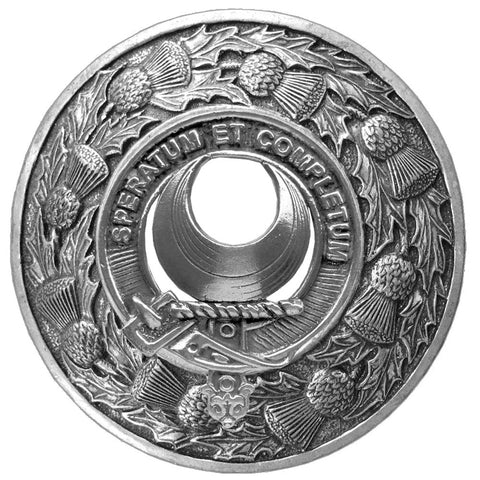
Arnott History, Family Crest & Coats of Arms
Coat of Arms
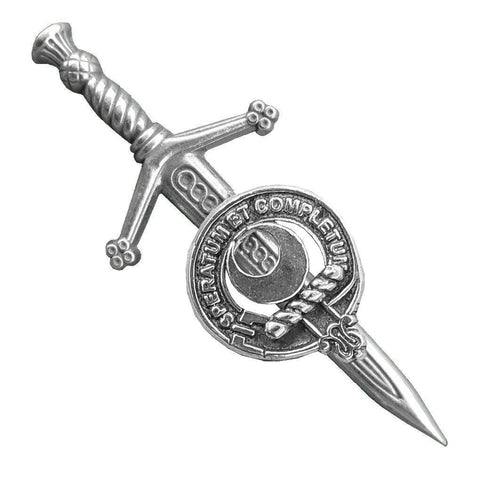
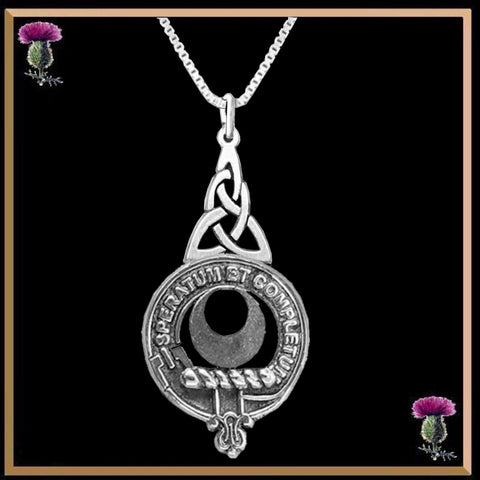
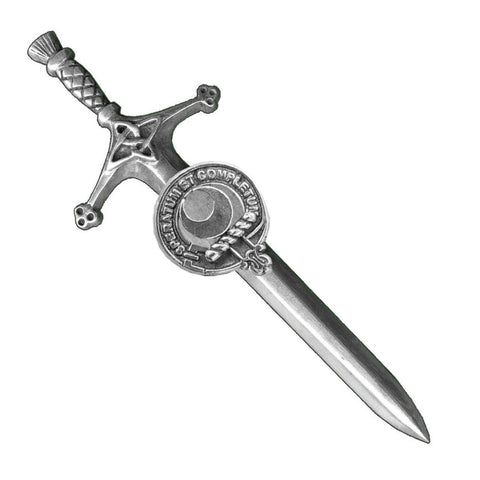
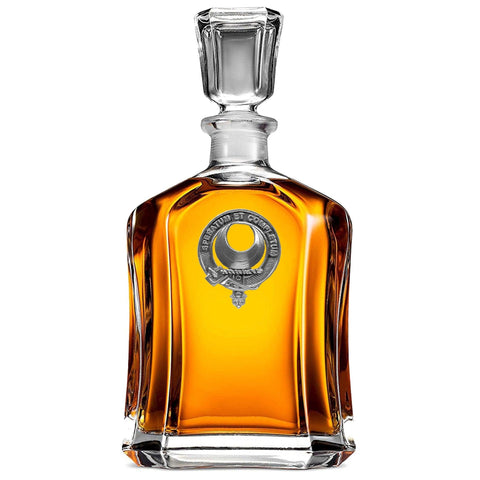
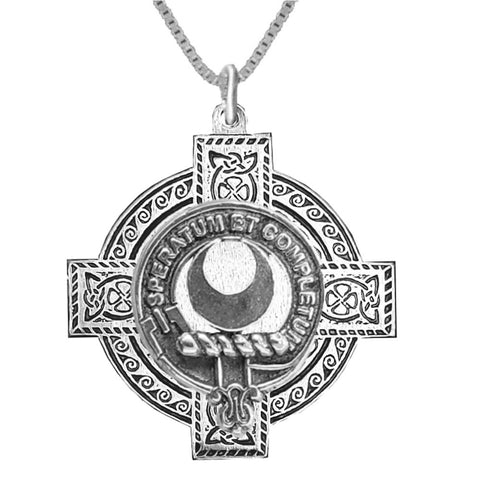
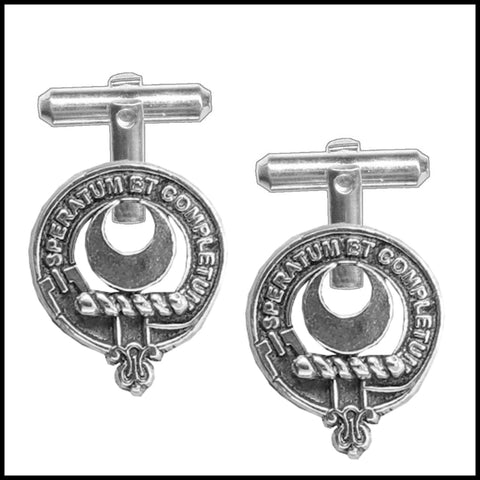
Arnott Coat of Arms: Traditionally reflects values of perseverance and honor, with heraldic elements tied to both ecclesiastical and noble service in Scotland’s early history.
Clan Crest
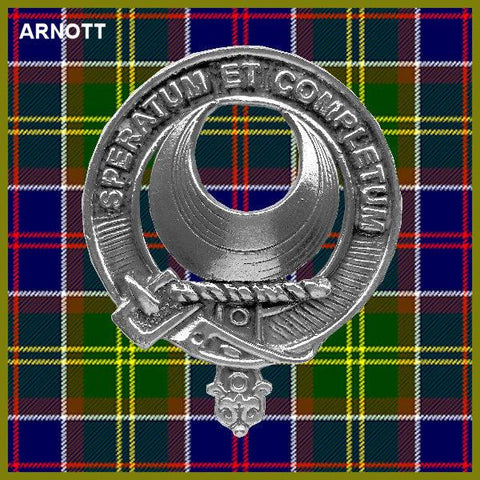
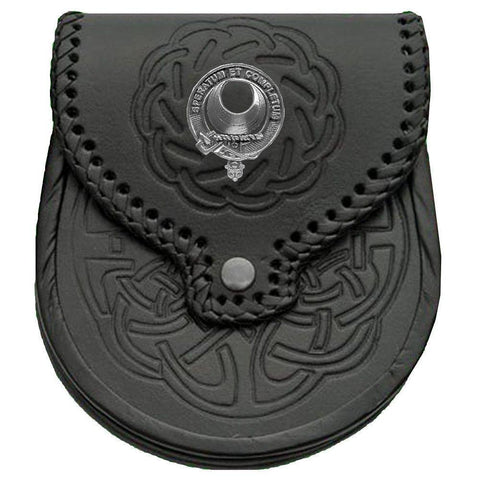
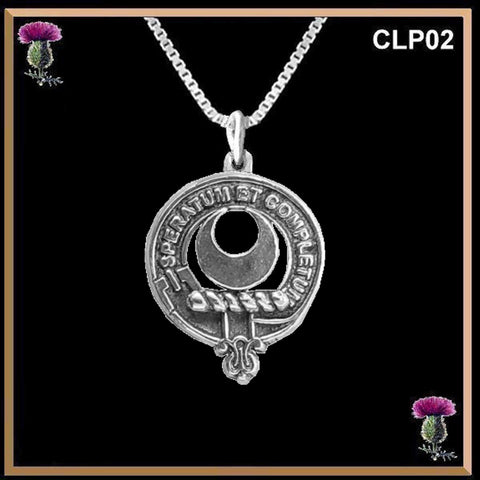
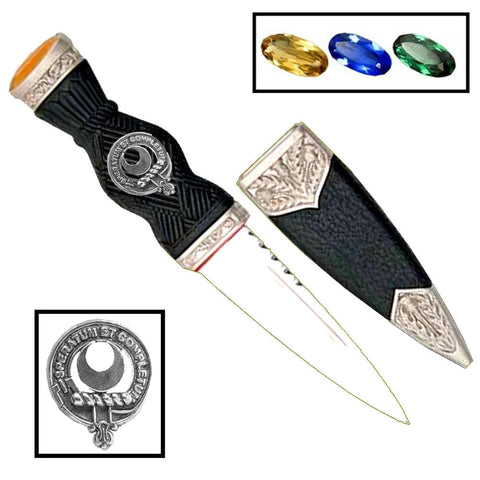
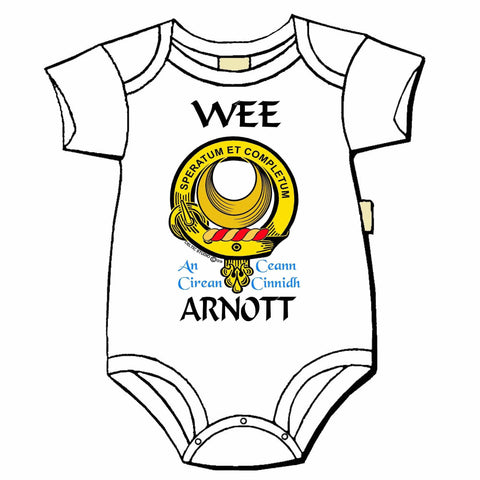
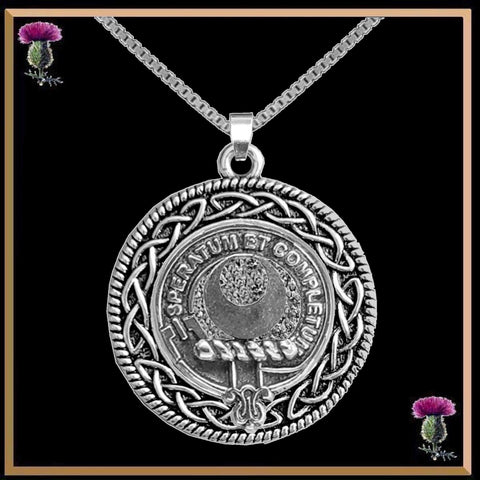
Arnott Clan Crest: While no universally accepted crest exists, various representations emphasize the family’s historical seat in Kinross-shire and its early status among landed gentry.
Motto
“Speratum et completum” – Hoped for and Fulfilled, a phrase that speaks to ambition, endurance, and the eventual realization of family legacy.
Origins of the Clan
The Arnott surname is of ancient Pictish origin, with roots deep in the early medieval history of Scotland. The name is territorial, deriving from the lands of Arnott in the parish of Portmoak, Kinross-shire—an area now within Tayside. The earliest recorded member of the family, Michael de Arnoth, is mentioned as far back as 1150 A.D., making the Arnotts one of the longest established noble families in the region.
By the late 13th century, the family had secured recognition at a national level. David of Fife, a successor of the Arnott line, is noted for paying homage to King Edward I of England in 1296, as recorded in the Ragman Rolls—a key document in Scotland’s feudal and political history.
Territorial Significance
The ancestral estate of Arnott in Portmoak was not only a family seat but a geographical marker of early Scottish clan society. The Arnotts’ position between the Highlands and Lowlands placed them in a strategic and cultural crossroad, influencing both ecclesiastical and political affairs in Fife and Kinross for generations.
Spelling Variations
Due to historical shifts in dialect and orthography, the Arnott surname has appeared in many forms over the centuries. Variants include:
Arnot, Arnatt, Arnote, Arnette, Arnett, Annett, Annetts, and Ernott.
These differences reflect regional pronunciations and the spread of the family name throughout England, Ireland, and the wider British Isles.
Migration and Diaspora
The Arnotts, like many Lowland Scots, were affected by political, religious, and economic upheaval from the 17th century onward. Some remained loyal to the Crown during the Wars of Independence and later became United Empire Loyalists, while others emigrated to the Americas, Canada, Australia, and New Zealand. Notably, James Arnott settled in St. John’s, Newfoundland in 1812, and Archibald Arnott followed in 1821.
Notable Clan Members
The Arnott name has been borne by distinguished individuals across centuries, including:
-
David Arnot, 15th-century bishop and canon regular, a prominent ecclesiastical figure in Fife.
-
Sir Michael Arnot, 1st Baronet of Arnot (d. c. 1680), a figure of political importance during a turbulent period in Scottish governance.
-
George Arnott Walker Arnott (1799–1868), a renowned Scottish botanist.
-
Neil Arnott (1788–1874), Scottish physician and natural philosopher.
-
Struther Arnott CBE, FRS (1934–2013), Principal of the University of St Andrews and a respected academic.
-
Jason Arnott (b. 1974), Canadian NHL ice hockey star.
-
Joanne Arnott (b. 1960), celebrated Canadian Métis poet and author.
Tartans
Although the Arnott name is not associated with a registered tartan, individuals of this lineage may wear district or regional tartans such as those of Kinross-shire or Fife, or adopt tartans related to associated families through marriage or fealty.
Conclusion
The Arnott family name is steeped in early Scottish history, its legacy spanning feudal baronies, ecclesiastical authority, and modern-day global presence. From the lands of Portmoak to roles in science, literature, and politics, the Arnotts exemplify the adaptability and perseverance of Scotland’s noble families. Their motto, "Speratum et completum", reminds us that aspiration coupled with endurance can shape a lasting legacy.